September 29, 2026
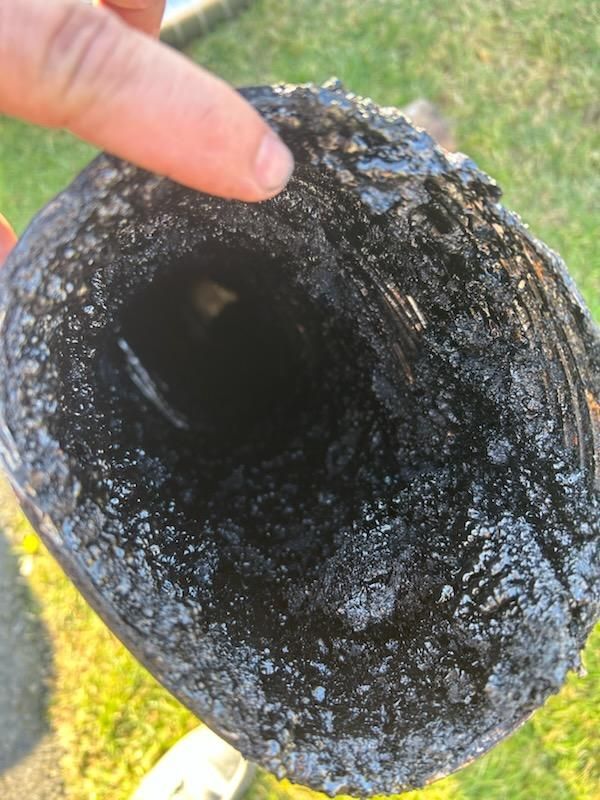
Gathering around a warm fireplace during cold weather is one of the most comforting aspects of homeownership, but operating a wood-burning appliance without routine oversight presents severe safety risks. Every time wood burns, it releases smoke, water vapor, unburned wood gases, and tar that fogs up the flue. As these substances travel upward toward the cooler exit of the chimney, condensation occurs, depositing a dark, highly flammable residue known as creosote along the inner lining. Neglecting routine maintenance allows creosote to accumulate layer after layer, turning a cozy heating element into a dangerous fire hazard. Engaging a certified local chimney cleaning service ensures that these combustible deposits are safely cleared before they ignite.
Creosote develops in three distinct stages, each progressively harder and more dangerous to remove than the last. Stage one appears as a soft, flaky soot that brushes away with relative ease. Stage two thickens into dark, shiny flakes containing high concentrations of condensed tar. By stage three, creosote hardens into a dense, glaze-like coating that clings stubbornly to flue walls and ignites at surprisingly low temperatures. Once a chimney fire sparks, it burns at extreme temperatures exceeding two thousand degrees Fahrenheit, capable of cracking masonry, melting metal liners, and spreading rapidly into surrounding attic and roof framing.
The statistic regarding heating-related residential fires is sobering and highlights the necessity of regular upkeep. According to the EPA, data from the National Fire Protection Association show three of every ten house fires caused by home heating are due to poorly maintained fireplaces and dirty chimneys. These structure fires are largely preventable through proactive maintenance. Scheduling a local chimney cleaning before the start of the heating season allows technicians to scrape away combustible deposits, verifying that your fireplace remains a safe, comforting source of warmth rather than a destructive hazard.
Invisible Dangers of Carbon Monoxide Accumulation
Beyond the immediate threat of chimney fires, neglecting your flue creates a silent, invisible hazard: carbon monoxide poisoning. Carbon monoxide is a colorless, odorless, and tasteless gas produced by the incomplete combustion of fossil fuels, including wood, natural gas, oil, and propane. Under normal conditions, a clean, unobstructed flue draws combustion gases upward and exhausts them safely outside the home. However, when the venting pathway becomes blocked by debris, soot, or structural collapse, dangerous gases spill backward into living spaces.
Numerous physical obstructions can impede proper chimney draft. Birds, squirrels, and insects frequently build nests inside open chimney tops during warm summer months, while falling leaves, twigs, and shifting masonry can form dense blockages along internal ledges. Furthermore, excessive creosote narrowing the flue pipe drastically reduces updraft velocity. Investing in professional local chimney cleaning guarantees that any physical blockages are discovered and removed, restoring clear airflow and keeping dangerous combustion byproducts moving out of your living area.
Carbon monoxide exposure causes flu-like symptoms, including severe headaches, dizziness, nausea, confusion, and extreme fatigue. Because the gas is entirely undetectable to human senses, occupants often fail to realize they are in danger until physical incapacitation occurs. Annual inspections verify that the venting system draws effectively, protecting your household from carbon monoxide accumulation and ensuring that fuel-burning appliances operate cleanly and safely throughout the winter months.
Preventing Expensive Masonry and Structural Deterioration
A chimney is constantly exposed to harsh weather conditions, including freezing temperatures, driving rain, heavy snow, and intense solar heat. Over time, moisture penetration combined with acidic soot causes significant physical deterioration to masonry brickwork, mortar joints, and flue liners. When combustion gases mix with water vapor inside an uncleaned flue, they form highly corrosive acids that eat away at clay tile liners and mortar. Scheduling a local chimney cleaning gives technicians an opportunity to inspect internal masonry for early signs of acidic decay.
Water damage is particularly destructive in regions that experience frequent freeze-thaw cycles. Rain and melted snow seep into porous bricks and hairline mortar cracks. When temperatures drop below freezing, trapped water expands, cracking bricks apart from the inside out in a process known as spalling. Left unchecked, minor masonry cracking quickly accelerates into leaning chimney structures, major wall leaks, and full masonry collapses. Early detection through regular inspections allows homeowners to seal minor cracks before structural repairs require thousands of dollars in restoration work.
Protecting the internal flue liner is equally critical for structural safety. Clay tile liners contain heat within the venting pathway and protect surrounding wooden studs from thermal transfer. When acidic soot breaks down mortar joints between tile sections, heat and smoke leak directly into surrounding wall cavities. Professional local chimney cleaning removes acidic residue, preserving the structural integrity of mortar joints and extending the physical lifespan of your entire chimney system.
Identifying Animal Nests and External Obstructions
During the spring and summer, unsealed chimneys present ideal nesting environments for local wildlife seeking shelter from predators and weather. Raccoons, squirrels, bats, and various bird species frequently construct nests inside flue pipes or along internal damper ledges. These animal habitats not only block the escape of smoke and dangerous gases but also introduce flammable twigs, dry leaves, feathers, and organic debris directly into your exhaust system.
When a fire is lit beneath an animal nest, the dry nesting materials catch fire instantly, sending burning embers shooting up the flue or triggering an immediate chimney fire. Additionally, animals can become trapped inside the chimney pipe and perish, creating foul odors and attracting insect infestations into the home. Hiring a local chimney cleaning team ensures that any animal activity is humanely cleared and that animal-proof stainless steel chimney caps are installed over open flues to prevent future intrusions.
Beyond wildlife, outdoor elements continuously compromise chimney openings. High winds can blow yard debris down unshielded flues, while heavy snow accumulation can cap off poor venting setups. Regular maintenance checks ensure that spark arrestors, chimney caps, and flashing seals remain properly attached and functional, keeping unwanted outdoor elements out while allowing combustion gases to vent smoothly into the atmosphere.
Preserving Home Efficiency and Indoor Air Quality
Operating a fireplace or wood stove with a dirty, soot-clogged chimney severely degrades appliance efficiency and ruins indoor air quality. For wood to burn efficiently, the fire requires a steady intake of oxygen and a strong, unobstructed upward draft to draw smoke out of the hearth. When creosote buildup narrows the internal dimensions of the flue, the draft weakens dramatically, causing wood to smolder rather than burn cleanly at high temperatures.
Smoldering fires yield significantly less heat output while producing excessive amounts of dark smoke and fine particulate matter. This backdrafting smoke frequently spills into living rooms, staining walls and carpets, settling on furniture, and aggravating respiratory conditions like asthma and allergies. Arranging for regular local chimney cleaning restores proper internal dimensions and maximizes updraft velocity, allowing your fireplace to burn fuel completely, produce more radiant heat, and keep indoor air clean and fresh.
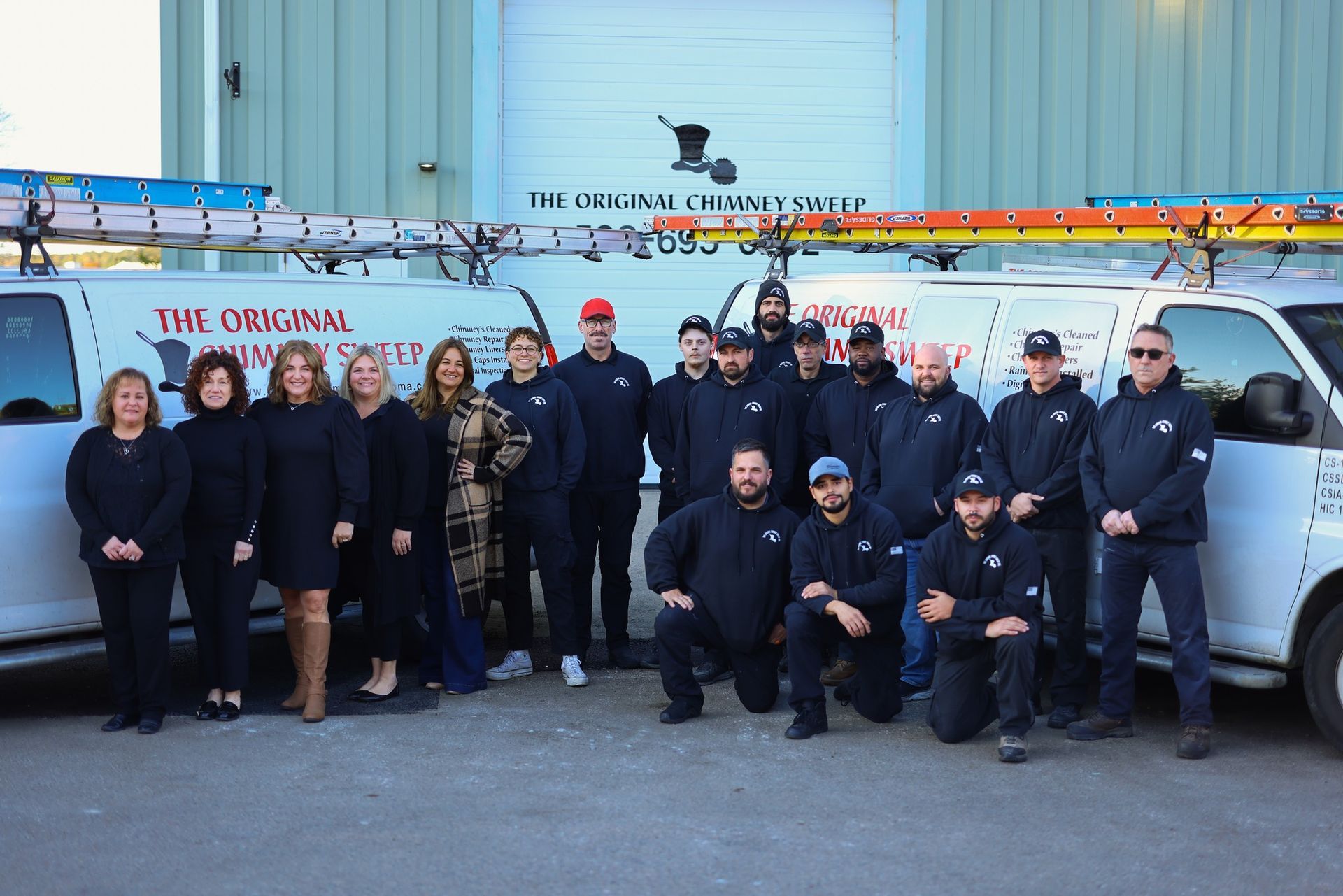
Proactive chimney care is an essential responsibility for any homeowner using wood or gas heating appliances. Annual cleanings and detailed inspections eliminate fire hazards, prevent dangerous carbon monoxide leaks, protect masonry from costly decay, and keep heating efficiency high. Taking care of your venting system today guarantees that your fireplace remains a safe, reliable, and enjoyable center of warmth for your home for years to come. To protect your home and keep your fireplace operating safely all year long, contact the experienced team at The Original Chimney Sweep Inc today to schedule your annual inspection and cleaning.